home chevron_right Apps chevron_right Productivity chevron_right RoutineFlow: Routine for ADHD


HabitTick-Habit Tracker & Todo
v1.1.25
• Premium
| Updated On | |
|---|---|
| Google Play ID | app.routineflow.routineflow |
| Category | Productivity |
| Version | 1.0.11 |
| Size | 56 MB |
| MOD Features | Premium |
| Requires | Android 8.0 |
| Price | |
| Free | |
| Content Rating | |
| Everyone | |
| Internet Required | |
| Unknow | |

RoutineFlow: Routine for ADHD is a productivity and routine-planning app designed to help users organize everyday activities through visual schedules, structured routines, and manageable task sequences. Rather than relying on a long list of things to do, the app focuses on guiding users through activities in a clear order. This approach can be useful for people who prefer step-by-step planning and want a more predictable structure for mornings, work, study, exercise, or evening routines.
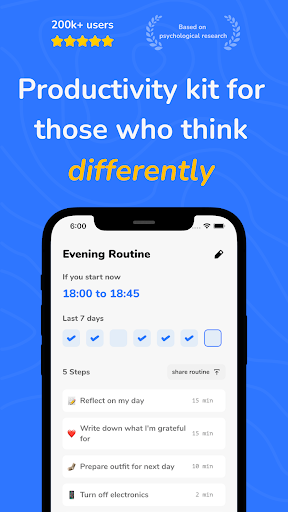
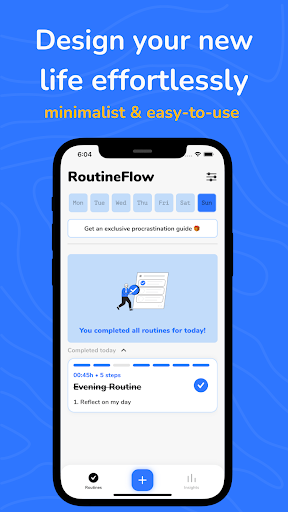
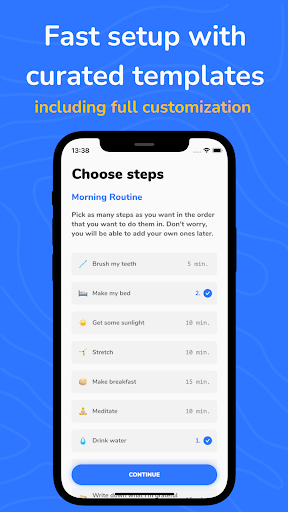
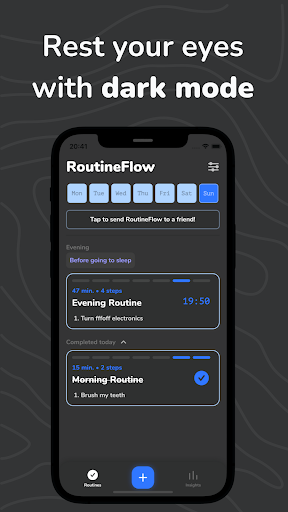
The app allows users to organize recurring activities into dedicated routines. A morning plan, study session, work block, or bedtime routine can contain several smaller activities arranged in sequence. This makes it possible to prepare a routine once and reuse its structure instead of rebuilding the same schedule every day.
Visual organization can also make daily plans easier to understand. A long collection of unrelated tasks may feel confusing, while a sequence provides a clearer indication of what comes next. This can be helpful when moving between different responsibilities and trying to maintain a consistent rhythm throughout the day.
Some responsibilities are difficult to begin because they contain several steps. Breaking them down can make the first action more obvious and reduce the feeling of facing one large assignment. The routine-based system supports this approach by letting users create individual steps within a larger activity.
For example, instead of treating morning preparation as one task, users can separate it into several simple actions. Each completed step provides a visible point of progress. The purpose is not to create a rigid timetable but to establish a practical sequence that makes everyday responsibilities easier to approach.
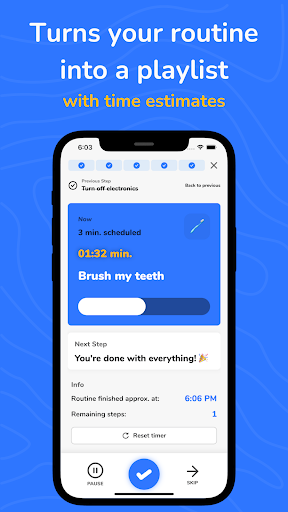
Visual guidance can make the relationship between time and activities easier to understand. Users can concentrate on the current step and continue through the routine in order. This may reduce the need to repeatedly consult separate notes, calendars, or reminders to determine what should happen next.
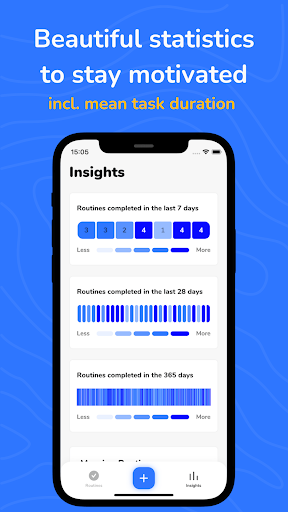
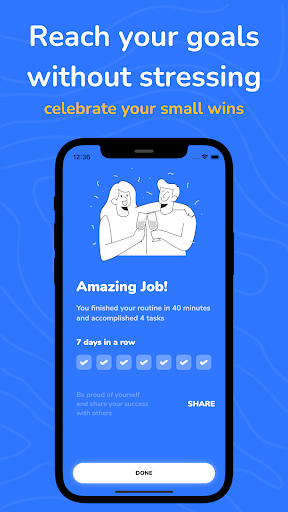
Seeing progress throughout a routine can also make larger blocks of work feel more manageable. Instead of measuring progress only by the completion of a major goal, users can recognize smaller achievements along the way. The most useful structure will vary between individuals, so routines should be customized rather than copied from a fixed template.
Even carefully prepared schedules can be interrupted by unexpected events. Appointments, changes in workload, delays, or different energy levels can affect the original plan. A flexible routine system is therefore more practical when users can adjust activities instead of treating the schedule as something that must be followed perfectly.
New users can begin with one or two simple routines and expand them gradually. Shorter sequences are often easier to review and modify. Once a routine becomes familiar, additional activities can be introduced if they provide genuine value without making the schedule unnecessarily complicated.
Open RoutineFlow: Routine for ADHD and identify recurring parts of your day that would benefit from additional structure. Create a routine and divide it into small, clearly defined activities. Arrange each step in the order you normally complete it, then adjust the sequence or timing when your schedule changes.
Start with a routine that addresses one specific part of the day instead of organizing everything at once. Follow the visual sequence as you complete each activity and review the routine after several days. If a step feels unnecessary, too complicated, or difficult to maintain, simplify it and test a more practical arrangement.
For better results, keep the number of activities realistic and allow enough time for unexpected delays. The app is a productivity and organization tool, not a replacement for professional medical or psychological support. Anyone experiencing significant difficulties with attention or daily functioning may wish to discuss their needs with a qualified professional.
RoutineFlow: Routine for ADHD provides a structured way to organize daily activities through reusable routines, visual guidance, and smaller task sequences. Its emphasis on clear steps can make recurring responsibilities easier to follow and may reduce the complexity of planning a busy day. Flexible scheduling also allows users to adapt routines when circumstances change. Since everyone’s habits and priorities are different, experimenting with routine length, activity order, and timing can help create a more sustainable system. For users who want a straightforward tool for building structured daily routines and managing everyday tasks step by step, this app offers a practical approach to personal productivity.