
SpeakEasy: Learn English – AI
v3.1.3
• Unlocked
| Updated On | |
|---|---|
| Google Play ID | mendeleev.redlime |
| Category | Education |
| Version | 4.0.75 |
| Size | 29 MB |
| MOD Features | Unlocked |
| Requires | Android 7.0 |
| Price | |
| Free | |
| Content Rating | |
| Everyone | |
| Internet Required | |
| Unknow | |

Periodic Table 2026: Chemistry is a mobile learning app designed to help students and chemistry enthusiasts explore the periodic table. It provides a convenient reference for studying elements, their symbols, atomic numbers, and other important chemical information. Instead of relying on a printed chart or searching through separate resources, users can keep a periodic table on their mobile device. The app can be useful for classroom study, homework, revision, and quick chemistry reference.
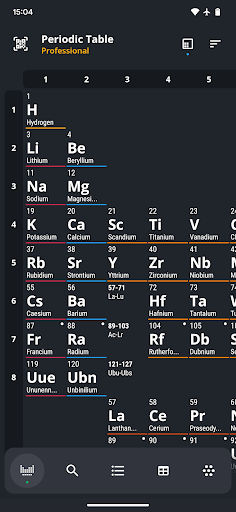
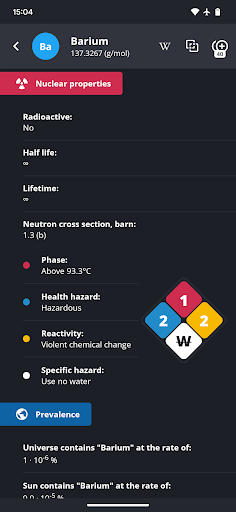
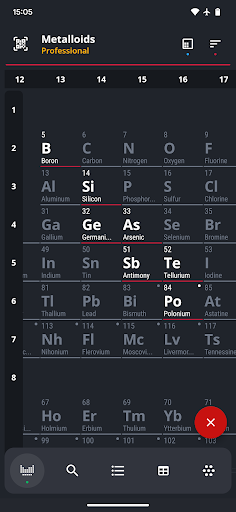
The main purpose of Periodic Table 2026 is to make information about chemical elements easier to access. Users can explore elements through the familiar periodic table arrangement and select individual entries for additional information. This structure can help learners understand how elements are organized into periods, groups, and chemical families.
A digital periodic table can also be more convenient than a printed version. Students can quickly open the app while studying chemistry, reviewing notes, or completing exercises. Having element information available on a smartphone makes it easier to check basic facts without switching between different study materials.
Learning the periodic table involves more than memorizing element names and symbols. The position of an element can provide useful clues about its properties and behavior. Exploring groups and periods can help students recognize relationships between elements and develop a stronger understanding of periodic trends.
This approach can be particularly useful for beginners. Instead of treating the table as a collection of unrelated boxes, learners can use its structure to connect elements with broader chemistry concepts. Regular exploration can gradually make the layout easier to remember.
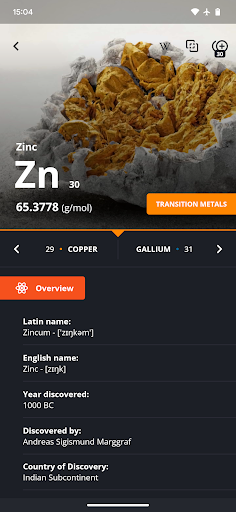
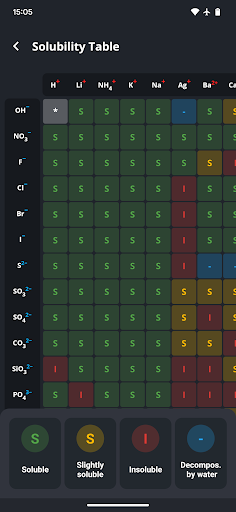
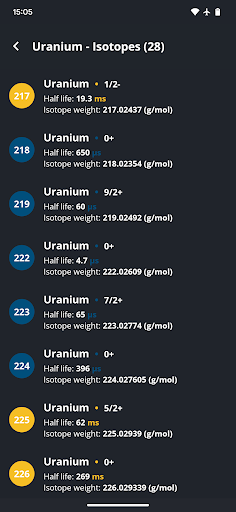
A mobile reference can be useful when students need to check an element quickly. Information such as an element’s symbol, atomic number, and position can support homework and revision. Depending on the available version, additional properties may also be provided for selected elements.
Quick access is especially useful during practice. When learners encounter an unfamiliar element in a chemistry question, they can consult the table before continuing with the problem. This can make the app a convenient supplementary reference alongside textbooks and classroom materials.
The periodic table is an important part of chemistry education, but memorizing all 118 elements can take time. A digital table gives learners an easy way to review element positions repeatedly. Short study sessions can help reinforce recognition of symbols, atomic numbers, groups, and periods.
Students can also combine the app with other study methods. Writing element symbols from memory, creating flashcards, or solving chemistry exercises can make revision more active. The app works best as a reference and learning aid rather than as a replacement for broader chemistry practice.
Having a chemistry reference on a phone can make studying more flexible. Students can review elements at home, during breaks, or while preparing for a test. The compact format is also useful when carrying textbooks or printed reference materials is inconvenient.
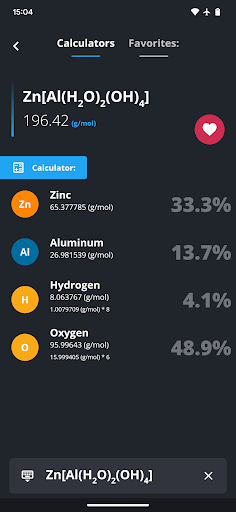
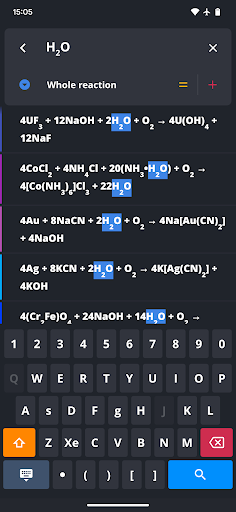
The exact information and tools available depend on the current version of the app. Users should explore the element pages and supported study features to understand how much detail is provided for each entry.
Open Periodic Table 2026: Chemistry and explore the main periodic table. Select an element to view its available information, then compare it with nearby elements in the same group or period. Pay attention to symbols, atomic numbers, and element families while studying.
For revision, choose several elements each day and try to recall their symbols and positions before checking the app. You can also use the table while completing chemistry exercises. When studying more advanced topics, combine the reference information with your textbook, class notes, and reliable educational resources.
Periodic Table 2026: Chemistry provides a convenient mobile reference for learners who want quick access to information about chemical elements. Its periodic table format can help students review element positions, symbols, atomic numbers, and broader relationships between groups and periods.
The app can be useful for classroom learning, homework, revision, and quick reference. Its value depends on the amount and accuracy of information provided in the current version. Students should also use textbooks, lessons, and other reliable resources when studying complex chemistry concepts. For learners who want a periodic table readily available on a mobile device, the app offers a practical way to support everyday chemistry study.