

JEE NEET Prep Study Planner
v2.0.1
• Premium
| Updated On | |
|---|---|
| Google Play ID | app.fasaha.learn |
| Category | Education |
| Version | 1.1.52 |
| Size | 163 MB |
| MOD Features | Unlocked |
| Requires | Android 8.0 |
| Price | |
| Free | |
| Content Rating | |
| Everyone | |
| Internet Required | |
| Unknow | |

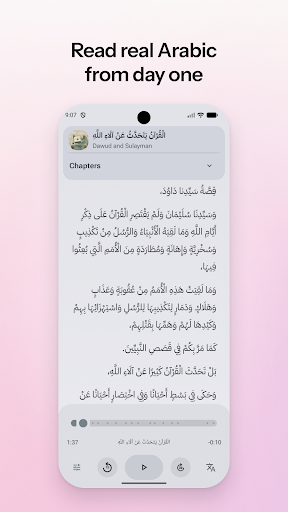
Fasaha: Learn Arabic (Fusha) is an Arabic learning app designed for learners who want to study Modern Standard Arabic, commonly known as Fusha. It focuses on building practical language skills through structured lessons, vocabulary practice, listening activities, and repeated exposure to Arabic expressions. The app can be useful for beginners as well as learners who already have some knowledge of Arabic and want to develop a stronger foundation. By combining guided study with interactive practice, it provides a convenient way to make Arabic learning part of a regular daily routine.
The main purpose of Fasaha: Learn Arabic (Fusha) is to help users become familiar with Modern Standard Arabic in a structured and accessible way. Fusha is widely used in formal communication, news, education, literature, and many other contexts across the Arab world. Learning this form of Arabic can therefore provide a useful foundation for learners who want to understand written and formal language.
The app organizes learning into manageable lessons that can make Arabic feel less overwhelming for beginners. Instead of trying to memorize large amounts of information at once, learners can gradually build their vocabulary and understanding. Regular practice can also help reinforce previously learned words and expressions.
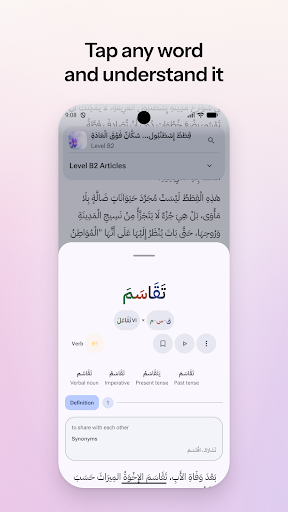
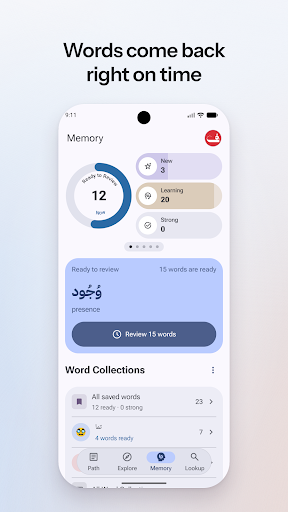
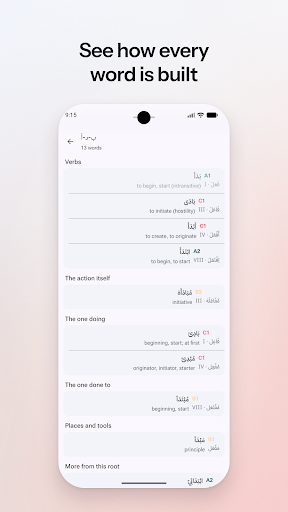
A strong vocabulary is essential for making progress in any new language. Arabic vocabulary practice can help learners become more familiar with common words and expressions while gradually improving their ability to recognize them in context. Repetition is particularly useful when learning Arabic because learners need time to become comfortable with unfamiliar spelling, pronunciation, and sentence patterns.
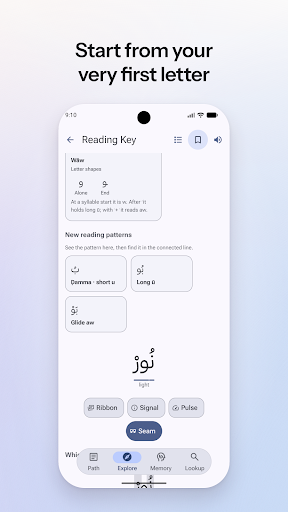
Learning Arabic can involve several challenges, including a different writing system, unfamiliar sounds, and grammatical structures. A dedicated learning app can make these areas easier to approach by dividing them into smaller activities and providing opportunities for repeated practice.
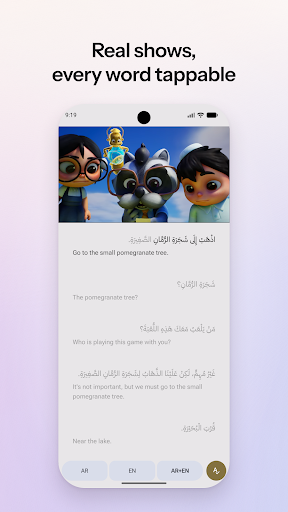
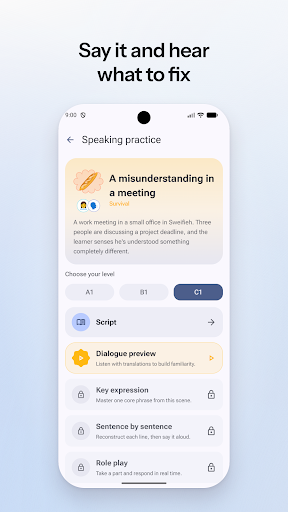
Listening practice can help learners connect Arabic writing with its spoken form. Exposure to pronunciation can also make it easier to recognize familiar vocabulary when hearing Arabic in conversations or other media. For beginners, repeated listening is especially useful for becoming comfortable with sounds that may not exist in their native language.
The focus on Modern Standard Arabic makes the app different from resources that concentrate mainly on individual regional dialects. Learners interested in formal Arabic can use this foundation to develop skills that are relevant to reading, writing, and understanding formal communication. It can also provide a useful starting point before exploring specific Arabic dialects later.
As with any language learning application, progress depends on consistent practice rather than simply completing lessons. Learners should combine app-based study with listening, reading, writing, and real-world exposure whenever possible. Arabic learners should also remember that pronunciation and vocabulary can vary between Modern Standard Arabic and regional dialects.
Start by choosing an appropriate learning level and complete the introductory activities at a comfortable pace. Pay attention to both Arabic spelling and pronunciation rather than focusing only on translations. When new vocabulary appears, repeat it several times and try to remember its meaning without immediately checking the translation.
Create a simple daily study routine and use shorter sessions if you are still developing a learning habit. Review older vocabulary regularly before moving too far ahead. Listening activities can be repeated several times, especially when a word or sentence is difficult to recognize.
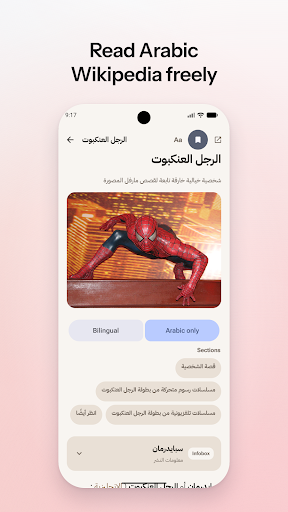
For better results, combine Arabic language learning with independent reading and listening practice. Try recognizing familiar words in Arabic texts, watching suitable Arabic content, or writing short sentences using vocabulary you have already studied. This combination can help turn individual lessons into more practical language skills.
Fasaha: Learn Arabic (Fusha) offers a focused approach to learning Modern Standard Arabic through structured lessons, vocabulary practice, and language exposure. Its emphasis on Fusha can be particularly relevant for learners interested in formal Arabic rather than starting with a specific regional dialect. Consistent practice remains important, especially for developing pronunciation, vocabulary retention, and reading ability. For learners looking for a convenient introduction to learning Arabic, the app can provide a structured starting point for building essential language skills.