
NetMod VPN Client (V2Ray/SSH)
v4.3.0
• Premium
| Updated On | |
|---|---|
| Google Play ID | com.timy.alarmclock |
| Category | Tools |
| Version | 1.1.55 |
| Size | 9 MB |
| MOD Features | Premium |
| Requires | Android 6.0 |
| Price | |
| Free | |
| Content Rating | |
| Everyone | |
| Internet Required | |
| Unknow | |

Alarm clock is a practical utility designed to help users manage wake-up times, reminders, and daily schedules. While the basic purpose of an alarm application is straightforward, having a reliable digital alarm can make it easier to establish consistent routines and remember important activities. The app can be useful for students, employees, travelers, or anyone who wants a convenient way to organize time around their smartphone.
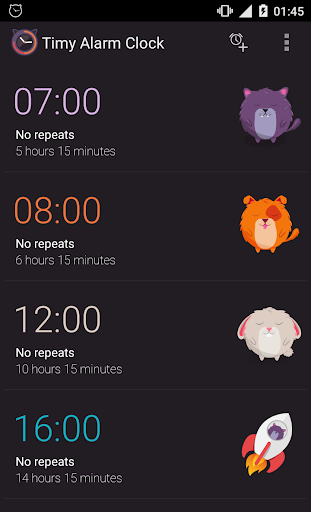
The core function of an alarm clock app is to let users create alarms for specific times. Multiple alarms can be useful when your schedule changes throughout the week. For example, you might need different wake-up times on working days and weekends, while additional alarms can remind you about appointments, study sessions, exercise, or other activities.
Keeping several alarms available on one device can reduce the need to repeatedly adjust a single alarm. Users can simply create separate schedules and activate or deactivate them according to their plans.
Beyond waking up in the morning, an Alarm clock can become a simple tool for managing daily activities. Timely reminders may help users maintain routines and avoid forgetting tasks that need to be completed at particular times.
This can be especially useful for people with busy schedules. A well-organized alarm list allows users to see upcoming reminders at a glance and make adjustments when their routine changes. Combining alarms with a consistent daily schedule can also make time management feel more structured.
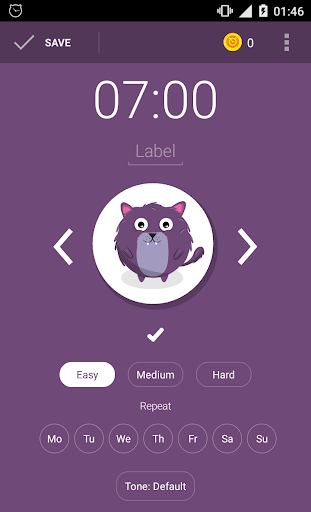
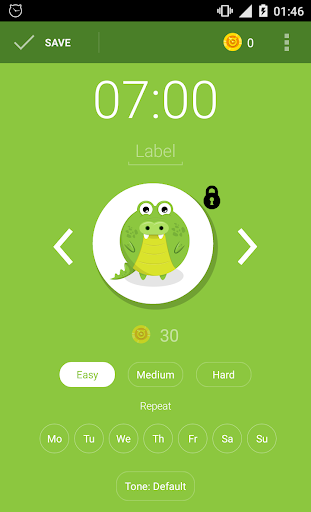
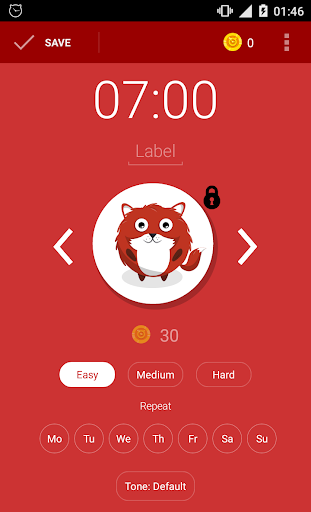
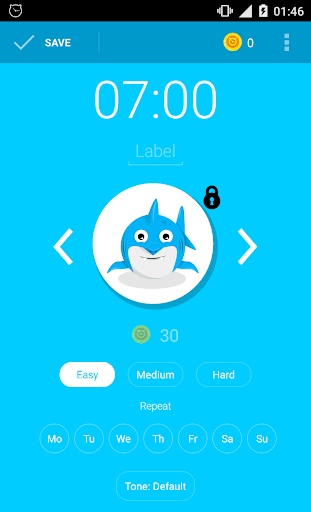
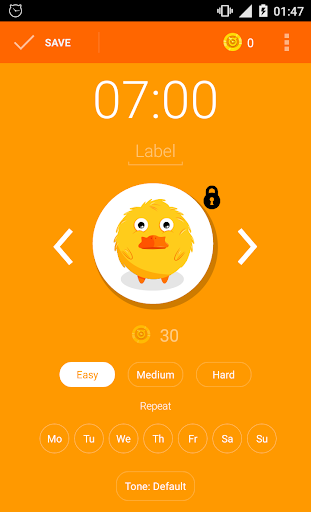
A good alarm clock should be easy to configure because alarms are often set shortly before going to sleep or during a busy day. A straightforward interface can make it easier to select a time, choose the required days, and confirm the alarm without unnecessary steps.
Users should also pay attention to notification, sound, and system permission settings. Depending on the Android device, battery-saving features or notification restrictions may affect how alarms operate. Checking these settings can help ensure that important alarms work as expected.
Start by opening the application and creating a new alarm. Select the desired time and, if available, choose which days the alarm should repeat. You can create additional alarms for different activities and disable individual alarms when they are no longer needed.
Before relying on an alarm for an important appointment, test the sound and volume settings. It is also helpful to keep the phone sufficiently charged and avoid system settings that could interfere with notifications or alarm functions.
The main advantage of an alarm clock app is convenience. Since smartphones are usually close at hand, a digital alarm can provide an accessible way to manage wake-up times and daily reminders without requiring a separate device. Multiple schedules can also make the tool suitable for different routines.
However, users should not assume that every alarm will function identically across all smartphones. Device settings, software versions, battery optimization, and notification permissions can influence reliability. For particularly important events, keeping a secondary reminder can provide additional reassurance.
Alarm clock provides a straightforward solution for users who need reliable reminders and structured daily schedules. With support for multiple alarms and customizable routines, it can help organize wake-up times and other time-sensitive activities. Although the exact features may vary between versions and devices, an alarm application remains a useful everyday utility for anyone looking to manage time more effectively.